A €10 contribution allows us to deliver 2 hours of school orientation workshops for teachers. A €20 contribution allows us to deliver 4 hours of awareness workshops for families. A €50 contribution allows us to deliver 3 hours of mental health workshops with teenagers.
Balint Groups: A Space for Teacher Wellbeing and Reflective Practice
This is some text inside of a div block.
In contemporary education, the emotional wellbeing of teachers is a determining factor for both teaching quality and the holistic development of students. Pressures associated with classroom management, diverse educational needs, interactions with families, and administrative responsibilities can generate professional stress, emotional fatigue, and, in extreme cases, teacher burnout. In this context, Balint Groups emerge as an effective methodology to promote professional reflection and collective support.
The Balint method was developed by Michael Balint in the 1950s to provide physicians with a structured space for analyzing the doctor-patient relationship. The methodology consists of periodic meetings of professionals, facilitated by an expert, in which real situations from daily practice are discussed.
The primary objective is not immediate problem-solving but a deep understanding of the emotional and relational dynamics inherent in professional interactions. Over time, this approach has expanded beyond the medical field to other professions in which human relationships are central, including education, social work, and clinical psychology.
Empirical evidence supports the efficacy of Balint Groups. Reviews published in scientific literature, such as BMC Medical Education, indicate that participation in these groups enhances professionals’ reflective capacity and contributes to reducing symptoms of emotional fatigue. In the educational context, pilot programs have shown that Balint Groups allow teachers to analyze complex experiences, better interpret classroom dynamics, and strengthen professional support networks.
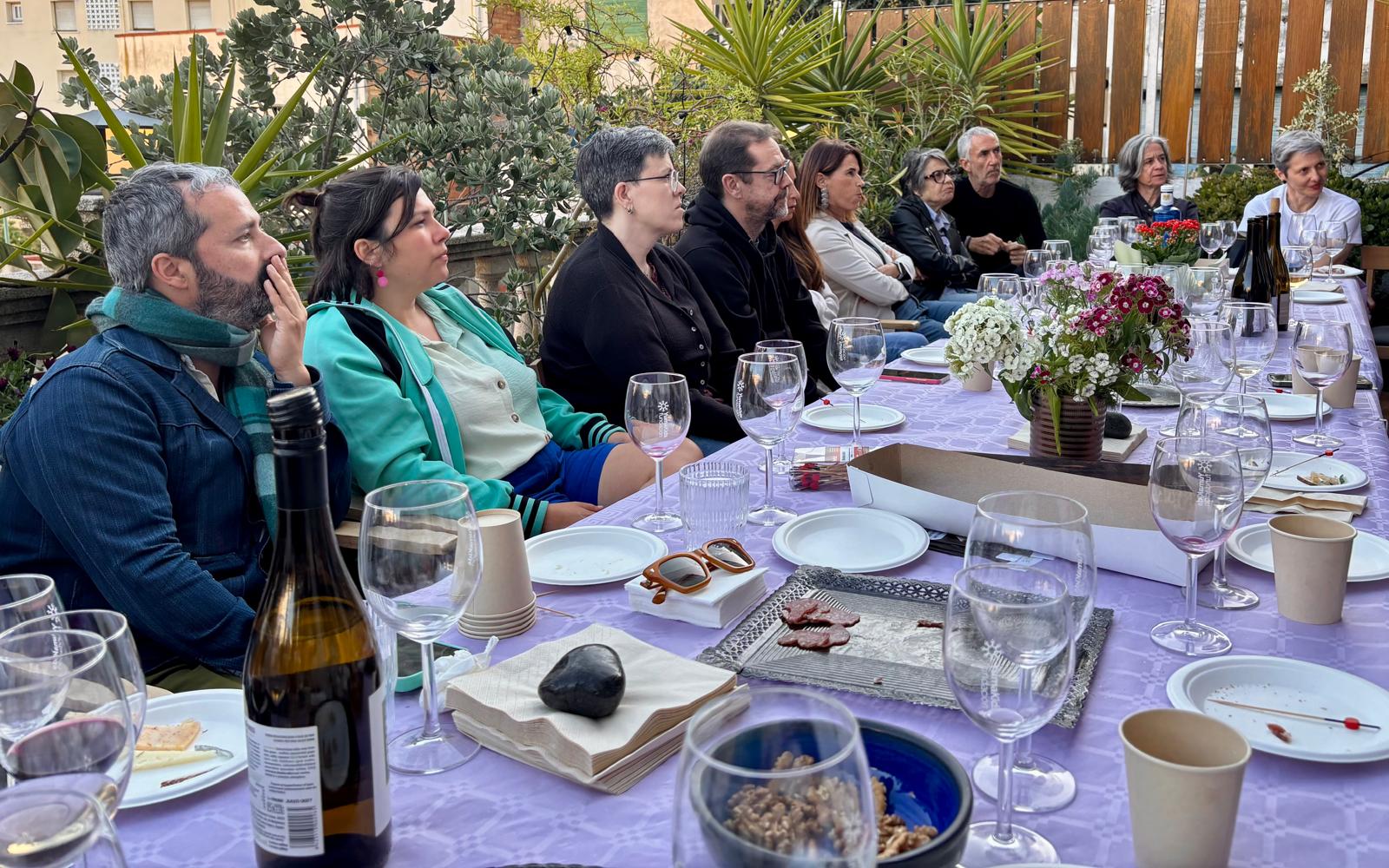
In schools, Balint Groups typically consist of 8 to 12 teachers who meet regularly with a facilitator trained in the methodology. During each session:
A participant presents a real situation experienced in the educational context.
The group listens attentively without judgment or interruption.
Collective reflection occurs on the emotional, relational, and contextual aspects involved.
The goal is to expand understanding of the situation, not to evaluate the teacher’s performance.
This systematic process promotes the development of alternative perspectives and significantly contributes to reducing teachers’ feelings of professional isolation.
Benefits for Teachers and Students: Specialized literature indicates that participation in Balint Groups can:
Reduce stress and prevent professional burnout.
Improve listening and empathy skills.
Strengthen collaborative work among teachers.
Foster reflective strategies for managing complex classroom situations.
Enhancing teachers’ emotional wellbeing has a direct impact on student learning, group cohesion, and the overall school climate.
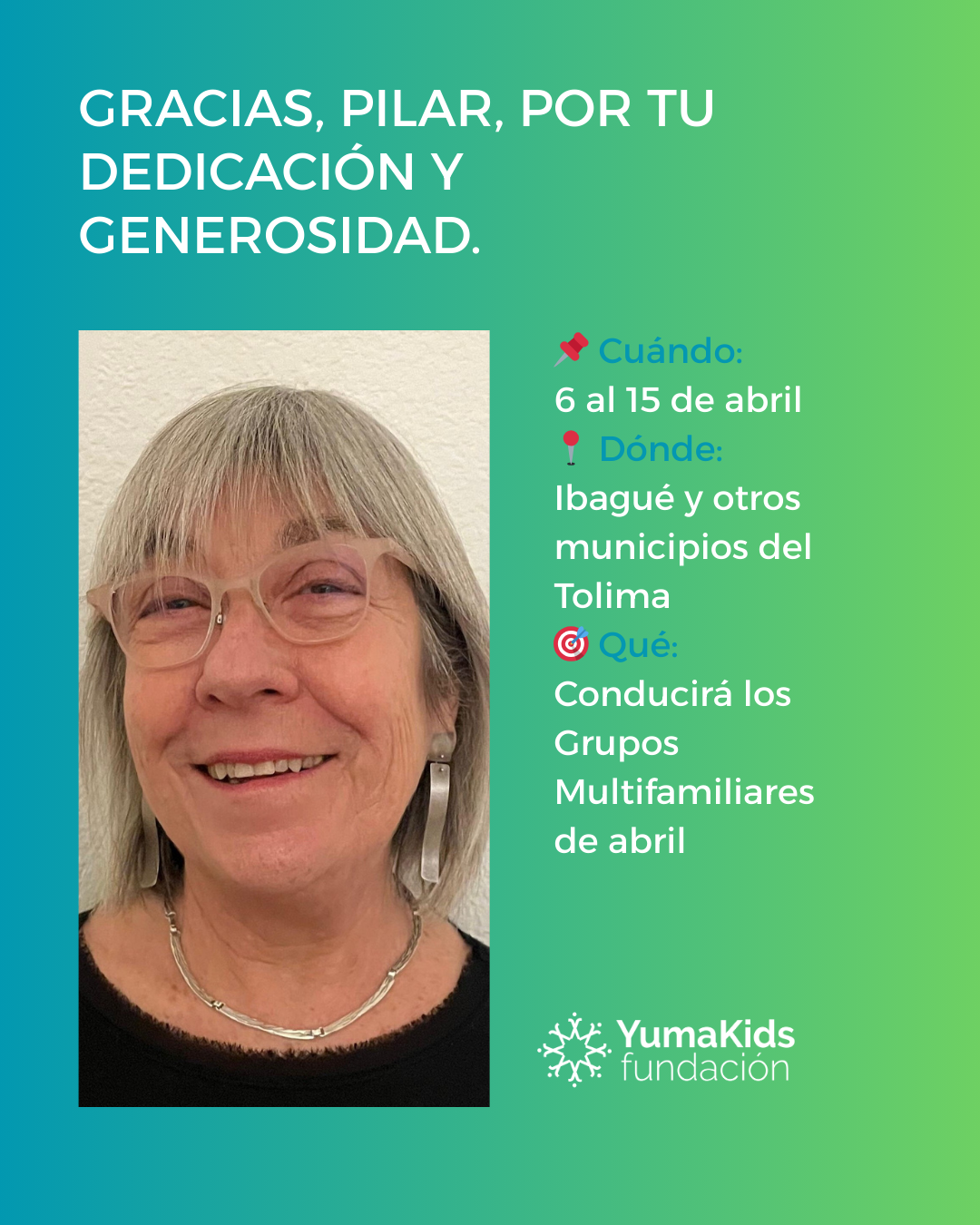
The Fundación Yumakids will organize Balint Group workshops for teachers from April 6 to 15, 2026, in Ibagué and other municipalities in the department of Tolima.
The workshops will be led by collaborators from Catalonia, Spain, Montse Mateu Ribas and Pilar Fuxet Comas, clinical psychologists and specialists in group analytic therapy, with extensive experience facilitating Balint Groups.
Each group will be open to the voluntary participation of 10 to 15 teachers, with sessions lasting 2 hours, structured as follows:
1 hour and 30 minutes dedicated to group analysis and reflective practice.
30 minutes for informal discussion and refreshments, promoting group cohesion.
How you can contribute?
You can donate and support the continuation of these workshops, helping Balint Groups reach more schools and educational professionals.
Direct impact of your contribution:
5 € → 1 workshop session for a group of 20 adolescents
20 € → 4 workshop sessions for a group of 20 adolescents
Each donation helps create spaces for professional reflection and emotional wellbeing that benefit both teachers and students.
If you value the importance of supporting those who educate and guide the next generations, we invite you to contribute and share this initiative. Your support strengthens educational environments that are healthier, more mindful, and collaborative.
.jpg)

.jpg)
.jpg)